Need New Equipment Before Fair Season? Here’s What Florida Food Businesses Can Do
Fair and festival season can create some of the biggest sales opportunities of the year for Florida food businesses, but only if the business has the capacity to keep up.
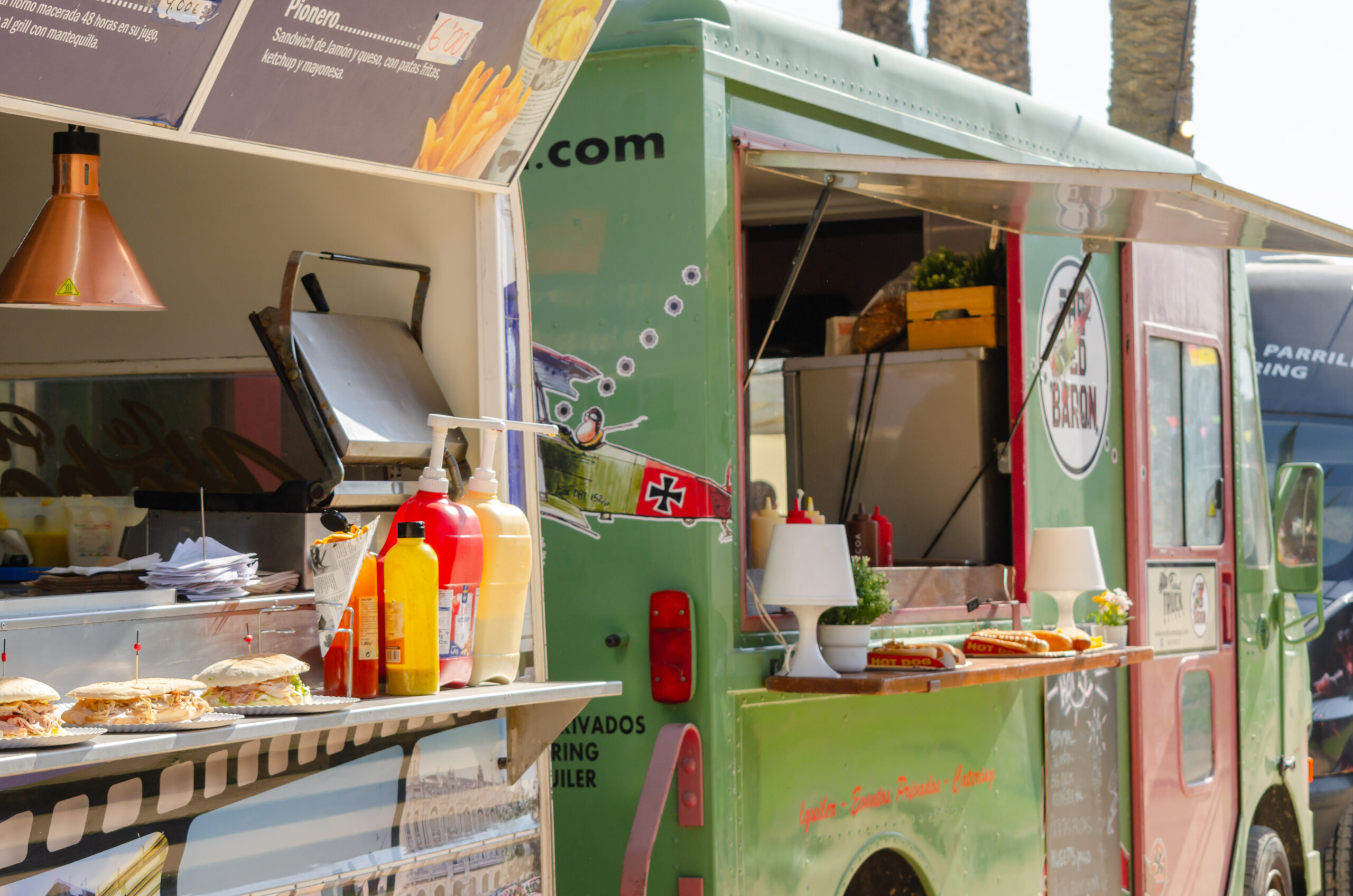
Underperforming equipment, such as a slow fryer, a refrigerator that is too small, an unreliable generator, or an inadequate prep area, can turn a lucrative event into long lines, lost sales, and spoiled inventory.
The challenge is getting the timing right. Purchasing, installing, testing, and often paying for new equipment may all need to happen before the first fair of the season begins. For Florida food entrepreneurs preparing for fairs and festivals, it is not simply a matter of ordering equipment and hoping it increases sales. You need to determine whether future sales are likely to justify the investment and how to pay for the equipment without creating a cash flow problem before festival revenue arrives.
Why Does Fair Season Put So Much Pressure on Food Business Equipment?
Fair and festival season can bring higher customer volume, longer operating hours, faster food production requirements, increased refrigeration and storage needs, greater transportation demands, and additional staff responsibilities. Equipment that works perfectly well during normal operations can suddenly become a bottleneck when your busiest season arrives.
For example, a fryer that can comfortably handle normal daily demand may cause long lines during peak festival hours. Similarly, insufficient refrigeration can limit how much inventory you can safely bring to an event.
The goal is to identify those constraints before your busiest events begin.
How Do You Know If You Actually Need New Equipment Before Fair Season?
Before purchasing equipment, determine whether the problem is truly equipment capacity or whether another operational issue is causing the slowdown.
Is Your Current Equipment Limiting Production?
If orders are regularly backing up or employees are waiting for equipment before they can continue preparing food, equipment capacity may be one of your biggest bottlenecks. Track where delays occur during your busiest operating periods. If the same machine, prep station, or storage area repeatedly slows production, upgrading may improve your ability to serve more customers.
Are You Turning Away Sales Because of Capacity?
Selling out of items, limiting volume during peak hours, shortening your menu, or turning down events and customers can all be signs that equipment capacity is limiting revenue. However, occasional sellouts do not automatically justify an expensive purchase. Look for repeated patterns showing that additional capacity could consistently translate into additional sales.
Is Your Equipment Becoming Unreliable?
Unreliable or aging equipment creates a different problem from limited capacity. Breakdowns during an event or busy production period can result in lost sales, wasted inventory, emergency repair costs, and unhappy customers. If maintenance problems are becoming frequent, compare the expected cost of continued repairs with the cost of replacing the equipment before the season begins.
Does the Event Require Equipment You Don’t Currently Have?
Some fairs and festivals may have specific requirements related to power, refrigeration, food holding, sanitation, or other equipment. Checking each event’s requirements early gives you time to identify what you already own, what can be rented, and what may need to be purchased.
What Equipment Do Florida Food Businesses Commonly Need for Fairs and Festivals?
Equipment needs vary based on the type of food you serve and how your business operates. Common categories may include cooking equipment such as ovens, fryers, griddles, and mixers; refrigeration and food safety equipment such as freezers, refrigerators, prep tables, thermometers, and temperature monitors; mobile equipment such as generators and portable sinks; and transportation and storage equipment such as shelving and refrigerated transport.
Businesses may also need sales technology such as POS systems and card readers to process customer transactions efficiently during high-volume events. Before purchasing anything, separate equipment that is required for compliance from equipment that is primarily intended to increase production capacity.
What Florida Food-Safety and Permit Requirements Should You Check Before Buying Equipment?
Florida food businesses may fall under different regulatory requirements depending on what they make, how food is prepared, where it is prepared, and where it is sold. Before investing in equipment, determine which rules apply to your business and event. Review state requirements, event-specific requirements, county or city regulations, refrigeration and sanitation requirements, and any inspections or permits that may be necessary.
Do this before financing or purchasing equipment. Buying equipment first and later discovering that it does not satisfy the applicable requirements can create unnecessary costs. Requirements can vary based on the business model and event, so businesses should confirm current requirements with the relevant authorities before making a major equipment investment.
Can Florida Cottage Food Businesses Sell at Fairs and Markets?
Florida cottage food businesses may be able to prepare certain qualifying products in home kitchens and sell directly to consumers, subject to applicable restrictions and labeling requirements. If you operate as a cottage food business, you may not need the same commercial equipment as a fully permitted food establishment. However, growth can sometimes change how a business operates. Before purchasing commercial equipment or changing your production model, determine whether those changes could move the business into a different regulatory category.
Should You Repair, Rent, Lease, or Buy Equipment Before Fair Season?
You do not always need to replace older equipment with something new. If your current equipment is mostly reliable and the problem is relatively minor, repairing it may be the least expensive option. Renting may make sense when equipment is needed only for a small number of events or when you want to test whether additional capacity actually increases sales.
Leasing can spread costs over time, although the total long-term cost should be compared with purchasing. Buying may make more sense when the equipment will be used across multiple seasons, supports normal business operations outside fair season, and expected sales volume clearly justifies ownership.
The decision should consider not only the upfront cost but also how frequently the equipment will be used and how long you expect to keep it.
How Do You Know Whether New Equipment Will Pay for Itself?
Do the math before placing an order. Suppose your current equipment allows you to serve 200 orders per day, while upgraded equipment could increase capacity to 300 orders per day. That creates capacity for an additional 100 orders. However, use a realistic estimate of how many additional orders you expect to sell rather than assuming every unit of added capacity will automatically turn into a sale.
If those 100 additional orders generate $4 each in revenue over 10 fair days, that could represent an additional $4,000 in revenue. But additional revenue is not the same as additional profit. Business owners can use the following calculations to estimate whether an equipment investment may pay for itself:
Expected Additional Revenue = Additional Orders per Day × Average Revenue per Order × Number of Operating Days
Then estimate how much of that revenue actually contributes to profit:
Expected Additional Gross Profit = Expected Additional Revenue × Gross Profit Margin
Next, calculate the full cost of the equipment:
Total Equipment Investment = Purchase Price + Financing Costs + Installation + Maintenance + Additional Labor + Insurance + Utilities + Other Operating Costs
Finally, estimate how long it may take for the equipment to recover its cost:
Estimated Payback Period = Total Equipment Investment ÷ Expected Additional Profit per Month or Season
For example, if equipment costs $12,000 in total and is expected to generate $4,000 in additional profit per fair season, the estimated payback period would be about three fair seasons.
The calculation should use conservative sales assumptions and include the full cost of ownership. If the equipment is expected to generate enough additional profit over its useful life to justify those costs while still leaving the business with manageable cash flow, the investment may make sense.
What Equipment Costs Do Businesses Often Forget to Budget For?
The listed equipment price is rarely the full cost of ownership. Delivery, installation, electrical or plumbing upgrades, permits, insurance, maintenance, fuel, staff training, replacement parts, storage, and applicable taxes can all add to the total investment. For mobile businesses, transportation costs may also increase if heavier or larger equipment requires additional hauling capacity. Forgetting these expenses is one of the easiest ways an equipment purchase can put unexpected pressure on cash flow. Create a full equipment budget before deciding whether the investment is affordable.
What If You Need Equipment Before Fair Revenue Arrives?
For many seasonal food businesses, the spending happens before the revenue. The sequence may include purchasing equipment, buying inventory, paying event fees, scheduling seasonal employees, investing in marketing, and covering transportation costs before the first customer makes a purchase. That creates a pre-season cash flow gap. Businesses should calculate all expected pre-season expenses together rather than financing equipment separately and then discovering that there is not enough cash remaining for inventory, payroll, or event costs.
This is especially important when several fairs or festivals occur close together because the business may need enough liquidity to prepare for multiple events before revenue from earlier events has fully replenished cash reserves.
What Financing Options Can Help Pay for Food Business Equipment?
Different financing options may fit different types of equipment purchases. Equipment financing is generally structured around purchasing or acquiring equipment. A term loan may potentially cover equipment alongside other eligible business expenses and may be useful when the business knows approximately how much funding it needs. A line of credit may provide more flexibility for smaller or changing pre-season expenses. Using cash reserves avoids financing costs but reduces available liquidity.
Some equipment vendors may also offer their own payment plans. Compare those plans with other financing options based on total cost, repayment terms, fees, and how the monthly obligation fits into expected cash flow. No financing option is automatically right for every business.
Should You Finance Equipment or Pay Cash?
Paying in cash avoids interest and loan payments, but it can significantly reduce your working capital before and during fair season. Healthy reserves can be important when dealing with canceled events, unexpected repairs, weaker-than-expected attendance, or additional inventory needs. Financing can help preserve working capital and allow the business to acquire equipment before seasonal revenue arrives. The tradeoff is interest, potential fees, and a recurring payment that must be made even if sales do not meet expectations.
The right question is not only, “Can I afford the equipment?”
You should also ask, “What is the right financing option for my business, and can I comfortably manage the repayment under a conservative sales forecast?”
How Much Can You Afford to Borrow for Equipment?
Consider the purchase price, down payment, total loan amount, interest rate, repayment term, and expected monthly payment before committing. Then compare that payment with the business’s normal operating expenses and expected cash flow during both the busy and slower parts of the year. It may be useful to estimate how a new payment would fit into your budget using AOF’s Small Business Term Loan Calculator before committing to a purchase. Avoid determining affordability based only on your strongest fair or festival sales.
When Should You Start Preparing for Equipment Financing Before Fair Season?
Start planning several months before your first major event where possible. Review upcoming fairs and festivals along with any available historical sales data. Once events are selected, estimate potential sales volume, compare expected demand with your current equipment capacity, and obtain quotes for any equipment you may need.
Prepare financing documentation early and leave enough time for delivery, installation, permits or inspections, equipment testing, and employee training. Exact financing timelines vary depending on the lender, equipment, and any applicable permitting requirements.
What Documents Should You Prepare Before Applying for Equipment Financing?
Typical documentation may include bank statements, financial statements, tax returns, equipment quotes, vendor information, existing debt obligations, and information explaining how the funds will be used. For seasonal businesses, it can also help to organize prior fair or festival sales, your upcoming event schedule, expected operating expenses, and a pre-season revenue and cash flow forecast. Preparing these documents early can make it easier to evaluate whether the purchase is financially realistic before formally applying for financing.
What Are the Biggest Equipment Mistakes Food Businesses Make Before Fair Season?
Common mistakes include:
- Buying equipment before confirming permit or event requirements
- Purchasing based on overly optimistic demand projections
- Financing equipment without calculating installation and operating costs
- Spending most or all available cash reserves on equipment
- Forgetting inventory, payroll, transportation, and event fees
- Buying equipment too late to properly install and test it
- Failing to train employees before the first event
- Purchasing used equipment without checking its condition
- Taking on monthly payments that only work under a best-case sales scenario
One of the most important principles is to use a conservative forecast.
If the equipment payment only works financially when every fair delivers your highest expected sales, the purchase may expose the business to unnecessary risk.
What Happens If Fair Season Does Not Go as Planned?
Fair and festival businesses face risks that are not always within their control. Bad weather, weak attendance, additional competition, event cancellations, rising costs, or equipment breakdowns can quickly affect seasonal revenue. A business should ideally be able to manage financing payments even if fair revenue does not fully meet expectations.
Before taking on financing, test your repayment plan against multiple scenarios, including a conservative forecast. Ask what would happen if one event were canceled, attendance were lower than expected, or revenue fell 20% below your original projection. Planning for downside scenarios makes it easier to understand the real risk of the equipment investment.
How Can AOF Help Florida Food Businesses Prepare for Growth?
Preparing for fair season often means spending money before additional revenue arrives. AOF works with small business owners to evaluate funding needs for equipment, inventory, working capital, and other eligible business expenses. The goal is to understand whether an investment fits the business’s expected demand, current cash flow, repayment capacity, and longer-term growth plans rather than simply choosing the first financing option available. Careful planning can help business owners determine whether new equipment is truly necessary and how to fund it without creating unnecessary financial pressure after fair season ends.
Frequently Asked Questions
What equipment do I need to sell food at a Florida fair?
Requirements depend on the type of food being sold, how and where it is prepared, and how the business operates. Confirm applicable state, local, and event requirements before purchasing equipment.
Do I need a food permit to sell at a Florida fair or festival?
Possibly. Requirements depend on the type of food business, food being sold, preparation method, and event. Confirm current requirements with the appropriate regulatory authority and event organizer.
Can Florida cottage food businesses sell at fairs?
Qualifying cottage food businesses may be able to sell permitted products directly to consumers, subject to applicable Florida restrictions, labeling requirements, and local rules.
Can I finance equipment for my food business?
Equipment financing, term loans, and other financing products may be available for equipment purchases depending on lender requirements, business qualifications, and the permitted use of funds.
Should I buy or lease food equipment?
Compare how often the equipment will be used, upfront costs, total long-term costs, maintenance responsibilities, expected useful life, and how much of the year your business actually needs the equipment.
Is used restaurant equipment worth buying?
Used equipment can reduce upfront costs, but consider its physical condition, remaining useful life, warranties, maintenance history, repair costs, and whether the equipment meets applicable business and event requirements.
Can a business loan pay for both equipment and inventory?
Some financing products may allow funds to be used for multiple eligible business expenses, depending on the loan type, lender requirements, and permitted use of funds.
How do I know whether new equipment will pay for itself?
Estimate the additional profit the equipment could generate and compare it with the purchase price, financing costs, installation, maintenance, labor, utilities, insurance, and other ownership expenses.
How early should I buy equipment before fair season?
Start early enough to allow time for equipment selection, financing if needed, delivery, installation, permits or inspections, testing, and employee training before the first major event.
What happens if I finance equipment and fair sales are lower than expected?
Loan payments generally remain due regardless of sales performance. Test repayment assumptions against a conservative forecast rather than relying only on your best-case fair-season sales.